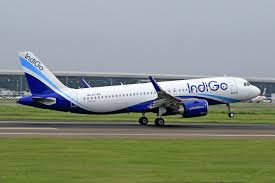
IndiGo Flight Crisis: What Happened Next
India’s aviation sector has faced several challenges over the years, but very few have disrupted passengers as severely as the ongoing IndiGo flight- crisis. Over just a few days, the country’s largest airline unexpectedly cancelled hundreds of flights, leaving thousands of travelers stranded at airports, confused about their schedules, and frustrated with the lack of clear communication. The situation quickly grew from a routine operational issue to a nationwide concern, affecting the holiday travel season and revealing deeper weaknesses within the airline system.
This article explains what triggered the crisis, how it affected passengers, what steps authorities and IndiGo are taking, and what lessons the Indian aviation sector must learn moving forward.
A Sudden Breakdown in Operations due to IndiGo Flight Crisis
The crisis began when IndiGo started cancelling a large number of flights across multiple cities—including Delhi, Mumbai, Bengaluru, Hyderabad, and Chennai. Initially, passengers assumed these were isolated cases, but the cancellations rapidly grew, creating a domino effect across the entire network. By the following day, delays had multiplied, boarding gates were packed with anxious travelers, and customer-support centers were flooded with complaints.
The immediate cause of these cancellations was a shortage of pilots and cabin crew, made worse by new flight-duty regulations that limit how long aviation staff can work. These rules were introduced to improve safety and ensure that pilots get enough rest, especially for late-night and early-morning operations. However, implementing these changes requires proper planning and scheduling adjustments. IndiGo reportedly wasn’t fully prepared for these new norms, leading to an unexpected gap between available crew and scheduled flights.
When an airline with such a large market share fails to adjust quickly, the effect is enormous just like indiGo flight crisis. Even a few hours of disruption at a busy airport can lead to delays across the entire day. In this case, the issue continued for several days, causing widespread chaos.
The Real Impact on Passengers
What made the crisis stand out wasn’t just the number of cancellations, but how poorly passengers were informed. Social media filled with videos, photos, and posts from angry travelers who had no idea their flights had been cancelled until they reached the airport. Some received messages after already checking in. Others never got notified at all.
Here’s how the crisis affected passengers on the ground:
1. Lack of Timely Information
Many travelers said they were left in the dark. Notifications either came too late or didn’t come at all. Such communication failures only increased frustration and created distrust.
2. Long Queues and Crowded Help Desks
With so many flights cancelled, customer-support counters became overcrowded. People waited for hours to get updates, request refunds, or try to rebook flights. Reports showed that some help desks had lines stretching through entire terminals.
3. High Ticket Prices on Other Airlines
Because IndiGo operates a significant portion of domestic flights in India, its cancellations instantly increased the demand for seats on other airlines. This resulted in unusually high last-minute fares, making it difficult for travelers to switch carriers affordably.
4. Missed Commitments and Important Plans
From business meetings to weddings, family events, and medical visits, many passengers ended up missing important commitments. The psychological stress of not knowing what to do only added to the pressure.
5. Stranded Families and Elderly Passengers
Families travelling with kids, elderly passengers, and those flying for urgent reasons faced the hardest challenges. With long queues and confusing announcements, many struggled to navigate the situation without proper guidance.
Government and Regulators Step In
As the cancellations grew, the Indian aviation regulator stepped in and demanded detailed explanations from IndiGo. The airline was asked to submit a clear recovery plan along with a revised flight schedule to ensure further cancellations were minimized.
Authorities also began reviewing the rollout of the new duty-time regulations. The intention behind these rules is to prioritize passenger safety by preventing pilot fatigue, but industry experts argued that the transition should have been more gradual. When policy changes and airline preparedness don’t align, the impact ultimately falls on passengers.
The crisis also triggered discussions about strengthening passenger rights in India. Several consumer groups pointed out that airlines should not have the freedom to cancel hundreds of flights without offering immediate refunds, hotel arrangements, or at least clear communication. This situation highlighted the need for stronger regulations on compensation, especially during mass disruptions.
IndiGo’s Official Response
IndiGo eventually issued public apologies and explained that the crisis resulted from a mix of regulatory changes and unavoidable staffing issues. The airline announced several measures to manage the situation and rebuild trust among passengers:
- Automatic refunds for all cancelled flights
- Free rescheduling for affected passengers within a specific time frame
- Deployment of additional standby crew where possible
- Adjusting the winter flight schedule to prevent overloading
- Revising pilot rosters to comply with new duty-time norms
Despite these steps, IndiGo also warned that operations might take time to return to normal. Since airline schedules are interconnected, even one day of heavy cancellations can cause ripple effects for several more days.
A Deeper Look: Why This Crisis Was Unavoidable
While IndiGo has been at the center of this incident, the crisis reflects broader issues within the aviation industry:
1. Over-Dependence on One Airline
IndiGo controls a large portion of domestic air travel in India. When such a dominant airline faces an operational breakdown, the entire system feels the shock.
2. Rapid Growth vs. Resource Capacity
India’s aviation sector is growing rapidly, but staffing, training, and infrastructure have not expanded at the same pace. Airlines often plan tight schedules to maximize profits, leaving very little room for unexpected challenges.
3. Sudden Implementation of Safety Rules
Although safety rules are essential, their enforcement should be balanced with practical preparedness. A sudden shift can create operational chaos if airlines do not have enough crews to meet requirements.
4. Weak Passenger Communication Systems
During disruptions, communication becomes critical. The IndiGo crisis has revealed gaps in how airlines notify passengers and handle large-scale emergencies.
Looking Ahead: What Needs to Change
To prevent similar crises in the future, the aviation industry must adopt a more balanced and sustainable approach:
1. Stronger Backup Planning
Airlines must maintain a healthier reserve of pilots and crew, especially during peak seasons and regulatory transitions.
2. Gradual Implementation of New Rules
Regulators should introduce rule changes in phases, giving airlines enough time to adjust rosters, hire more staff, or modify schedules.
3. Technology-Based Passenger Communication
Real-time notifications, automated alerts, and clearer communication can dramatically reduce confusion during emergencies.
4. Better Passenger Protection Laws
India may need stronger compensation rules, similar to those in Europe, where airlines must offer refunds, alternative flights, or compensation for mass cancellations.
5. More Realistic Scheduling
Airlines should avoid overloading their flight networks and should create schedules that prioritize reliability over maximum utilization.
Conclusion
The IndiGo flight-crisis has been a major wake-up call for the Indian aviation industry. What started as a staffing and scheduling mismatch quickly turned into a nationwide disruption, exposing weaknesses in planning, communication, and regulatory preparedness. Thousands of passengers paid the price through long queues, unexpected expenses, and significant inconvenience due to indiGo flight crisis.
Going forward, both airlines and regulators must work together to create a more stable, passenger-friendly aviation environment. Reliable communication, balanced scheduling, and better emergency management will be key to preventing such large-scale chaos in the future. The incident serves as a reminder that in aviation, preparedness is just as important as growth — and passenger trust must always come first.